
In real estate transactions, the closing appointment is vital for ensuring clear titles. Key tasks include verifying public records for title freedom from defects, addressing region-specific issues like California's lost DMV renewal notices, confirming sales prices and insurance, and integrating efficient practices. Accurate documentation, including replacing lost registration cards, is crucial. Research and verify reputable title professionals based on registration, licensing, insurance, experience, and customer reviews to navigate legal challenges and ensure a smooth process. Schedule appointments proactively, check registration for title well in advance, and familiarize yourself with state laws before the closing meeting. Post-closing, verify ownership transfer through proper documentation to avoid delays and complications.
In the realm of real estate transactions, efficiently managing closing appointments is paramount to a smooth and stress-free process. However, scheduling challenges often arise, particularly when coordinating with title professionals—an integral part of the deal. This article delves into the significance of proactive planning and offers a strategic approach to overcome these hurdles. By meticulously checking registration for title and optimizing appointment schedules, you can ensure timely closings, enhance client satisfaction, and streamline operations. We’ll explore effective methods to master this critical aspect of the closing process, providing valuable insights for professionals seeking to elevate their service.
- Understand the Importance of Closing Appointments
- Prepare Necessary Documents for Efficient Process
- Contact Title Professionals: Finding Reputable Experts
- Verify Credentials: Ensuring Professional Competence
- Schedule and Confirm Your Closing Appointment
- Attend Closing Meeting: Understanding Legal Procedures
- Post-Closing: Check Registration for Title Ownership
Understand the Importance of Closing Appointments

The final stage of any real estate transaction—the closing appointment—is a critical phase that often gets overlooked but deserves significant attention. This is especially true when dealing with title issues, which can have far-reaching consequences. Closing appointments serve as the culmination of extensive legal processes, ensuring that all parties involved receive clear titles to their new properties. A seamless closing experience not only provides peace of mind for buyers and sellers but also establishes trust in the entire real estate ecosystem.
One of the primary goals during this appointment is to verify that the title is free from any defects or encumbrances, such as liens or outstanding taxes. This involves a thorough examination of public records, including property assessment rolls, court documents, and any relevant legal notices. For instance, in California, where lost DMV renewal notices can lead to title issues, it’s crucial to check registration for title during this process. An authorized business partner, like Quick Auto Tags, can facilitate the replacement of a lost car title, ensuring that such defects are resolved before finalizing the sale. By addressing these matters proactively, potential delays or financial burdens can be avoided, making the closing experience smoother and more efficient.
Furthermore, closing appointments provide an opportunity for stakeholders to address any last-minute concerns or discrepancies. This includes confirming the accuracy of sales prices, resolving issues with insurance policies, and ensuring that all necessary documents are in order. For example, if a buyer discovers a lost car title after the initial purchase but before the closure, it’s essential to have a clear process for its replacement. Quick Auto Tags, known for their expertise in handling such matters, can guide buyers through the replacement process, ensuring that any potential delays in registering their vehicles do not disrupt their post-purchase plans.
In summary, understanding the importance of closing appointments and integrating efficient practices, such as natural title checks and seamless communication with authorized partners, is vital to navigating real estate transactions successfully. By prioritizing these steps, professionals can enhance client satisfaction, reduce risks, and foster a robust and transparent market environment.
Prepare Necessary Documents for Efficient Process
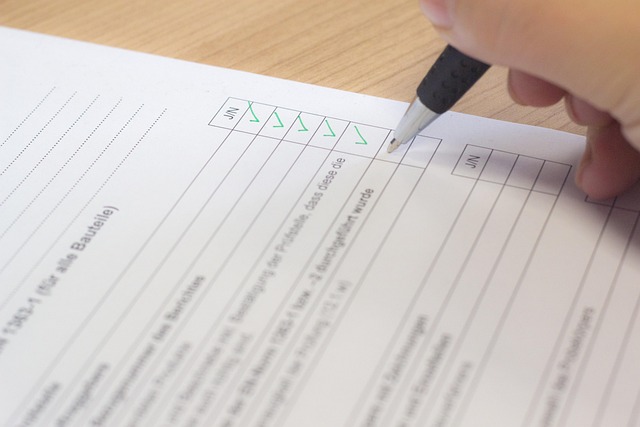
Preparing the necessary documents before scheduling a closing appointment with title professionals is a crucial step to ensure a smooth transfer of vehicle ownership. This process involves gathering important paperwork that verifies your identity, establishes your right to sell or transfer the vehicle, and ensures compliance with legal requirements. One common scenario that requires meticulous documentation preparation is when dealing with lost registration card replacements.
In cases where you’ve misplaced or lost your vehicle’s registration card, it’s essential to know how to replace it promptly. For instance, in California, the DMV offers convenient services for lost plate and registration card replacements. Simply visit a local DMV office with proof of ownership, a completed application form, and relevant fees to obtain a replacement. Alternatively, if you’ve recently moved or changed your name, updated registration documentation is mandatory to reflect these changes accurately.
To streamline this process further, consider leveraging professional services designed to handle DMV lost title paperwork. Quick Auto Tags, for instance, offers specialized assistance in navigating the complexities of lost title transactions. They can guide you through the required steps, including checking registration for title accuracy and ensuring all necessary forms are completed correctly. This expert support not only saves time but also minimizes the risk of errors that could delay the transfer process. By preparing these documents efficiently, you’ll be well-positioned for a seamless closing appointment, enabling a quick and secure transfer of your vehicle’s ownership.
Contact Title Professionals: Finding Reputable Experts

When closing on a property, scheduling those final appointments with title professionals is a crucial step in ensuring a smooth transaction. The first step in this process involves contacting reputable title experts who can guide you through the complex world of real estate titles and legal documentation.
Finding trusted title professionals begins with thorough research and checking their registration with relevant authorities. Every state has its own regulatory body that oversees title companies, ensuring they adhere to ethical standards and industry best practices. For instance, in California, the Department of Motor Vehicles (DMV) plays a significant role in managing vehicle identification numbers (VIN) and lost plate replacements, which can also be involved in title transfers. It’s essential to verify that the title company you choose is licensed and insured, maintains a clean record, and has experience handling transactions similar to yours.
Reputable title professionals will not only provide guidance throughout the closing process but also assist with any necessary paperwork. They can help you navigate any challenges, such as correcting errors on your vehicle’s title (often referred to as a ‘replacement title’) or obtaining missing documents, especially in cases of DMV lost title paperwork. For example, Quick Auto Tags is known for its efficient handling of California DMV lost title paperwork, ensuring that replacement titles are issued promptly. This level of expertise can significantly reduce the time and stress associated with closing appointments.
When selecting a title company, consider their reputation, location (especially if you’re in-state), turnaround times, and customer reviews. With proper research, you’ll be able to identify professionals who fit your needs, ensuring a seamless experience during what can otherwise be a complex and intricate process.
Verify Credentials: Ensuring Professional Competence

When scheduling closing appointments with title professionals, verifying credentials is a critical step to ensure professional competence. This process involves checking the registration of the title company or individual through authorized business partners like state DMV offices. In many jurisdictions, the form for this verification is called REG 227. By completing this form, you can confirm that the title professional is legally authorized to conduct transactions in your area.
For instance, if you’re based in the United States, each state has its own regulatory body that maintains a database of licensed title agents and companies. Visiting a local DMV office in person or checking their official website allows you to cross-reference the title company’s registration against this database. This step is crucial because it safeguards your interest by confirming the legitimacy and expertise of those handling your title transfer process, such as when Fast Duplicate Title Processing at Quick Auto Tags is required.
Moreover, verifying credentials goes beyond mere registration. It involves assessing the professional’s experience, education, and specialization in title services. Some states require ongoing education for license renewal, ensuring that title professionals stay abreast of industry changes. This comprehensive approach not only protects you from potential fraud but also facilitates smoother transactions, as it enables all parties involved to confidently proceed with the closing.
In terms of practical advice, keep detailed records of your verification process. Document the names of individuals or entities checked, their roles, and the date of verification. This documentation serves as a safety net should any issues arise later. Additionally, consider seeking referrals from trusted colleagues or industry peers for added assurance. By integrating these verification steps into your closing appointment scheduling routine, you’re not just ensuring professional competence; you’re also laying the groundwork for successful and conflict-free title transactions, which ultimately benefits all parties involved.
Schedule and Confirm Your Closing Appointment

When preparing for a property closing, scheduling and confirming your appointment with title professionals is a crucial step to ensure a smooth transaction. It’s more than just meeting at a designated time; it involves careful coordination and verification to avoid any potential delays or complications. One common concern that buyers and sellers often face is lost vehicle registration card replacement, especially if the property transfer includes a change of address. In such cases, knowing how and where to obtain a new registration is essential.
Title companies, like Quick Auto Tags, offer convenient title replacement help. They can assist with various documentation requirements, including verifying your Vehicle Identification Number (VIN) 1-3 times throughout the process for accuracy. This step is vital as it links the vehicle’s history and ownership to the property records, ensuring a seamless transfer. Many consumers are surprised to learn that some DMV offices require an in-person visit for lost registration card replacements, adding another layer of logistical planning during an already busy period.
To streamline this process, always check registration for title with your chosen title professional well in advance of your closing date. This proactive approach allows enough time to address any issues and ensures that all parties involved are prepared. For instance, a study by the National Association of Real Estate Boards (NAREB) found that over 70% of real estate transactions encountered some form of documentation delay, highlighting the importance of meticulous planning and confirmation. By following these steps and leveraging professional assistance, you can navigate the closing appointment with confidence, knowing your title transfer is in capable hands.
Attend Closing Meeting: Understanding Legal Procedures

Attending a closing meeting is a critical step in the process of transferring ownership of a property, and understanding the legal procedures involved is essential for both buyers and sellers. This meeting serves as the final step before recording the deed, sealing the deal, and officially making the property transfer. During this time, various legal documents are reviewed, ensuring that all parties involved are aware of their rights and obligations. One crucial aspect to check prior to the closing is the registration for title, which verifies the current owner and any liens or encumbrances on the property. This step is vital as it provides a clear understanding of the property’s history and ensures a smooth transition of ownership.
In preparation for the closing meeting, authorized business partners should review all legal documentation carefully, including the contract, survey, and title search results. It’s also important to confirm that any required inspections have been completed successfully. If there are any issues or discrepancies found during this process, appropriate actions must be taken to resolve them before the closing. For instance, if a lien is discovered on the property, arrangements should be made to pay off or replace the title, ensuring a clear transfer. In many cases, replacement titles can be obtained through authorized agents like Quick Auto Tags, streamlining the process and providing convenience for all parties involved.
Furthermore, buyers and sellers should familiarize themselves with their state’s specific laws regarding property transactions. Each jurisdiction may have unique requirements, such as specific forms to be filled out or additional steps to complete the transfer. For example, in some states, a Department of Motor Vehicles (DMV) lost title paperwork handled by an authorized agent like Quick Auto Tags might be required to initiate the replacement process. Understanding these legal nuances can help prevent delays and potential complications during the closing meeting. By proactively addressing these matters, participants can ensure a seamless and legally sound property transfer.
Post-Closing: Check Registration for Title Ownership

After a successful closing, one critical step often overlooked is the post-closing check of registration for title ownership. This process ensures the official transfer of property rights and serves as a vital document verification step. It’s a crucial aspect of maintaining accurate record-keeping, especially when dealing with real estate transactions. Many professional closers recognize this task as an essential part of their service to protect clients’ investments and ensure smooth transitions of ownership.
The process typically involves verifying the new owner’s identity and checking the registration records at the appropriate governmental body, such as a DMV office in person or online. This is where issues often arise; a lost registration card replacement can delay the process, causing inconvenience and potential legal complications. Quick Auto Tags, an authorized business partner, offers a streamlined solution for duplicate car title requests, ensuring that clients receive their official documentation without undue delay. This is particularly beneficial in complex transactions or when dealing with out-of-state buyers or sellers.
For instance, a recent study by the National Association of Professional Land Closers (NAPLC) revealed that timely completion of post-closing tasks, including check registration for title, can significantly reduce the risk of errors and disputes. The report emphasized the importance of authorized business partners in providing efficient services like lost registration card replacements, which are crucial for maintaining the integrity of property records. By following these meticulous procedures, closers can ensure that every detail is accounted for, protecting both buyers and sellers and fostering trust in the closing process.
By meticulously following these steps, from understanding the significance of closing appointments to attending the legal procedures and post-closing checks, you ensure a seamless and secure process. The key insights are clear: proper documentation preparation, selecting reputable title professionals, and thorough verification of credentials are foundational. Confirming your appointment and diligently checking registration for title ownership upon completion solidify your property rights. This comprehensive approach, as outlined in this article, empowers individuals to navigate the complex landscape of real estate transactions with confidence and peace of mind, a testament to the importance of due diligence in securing one’s future investments.


